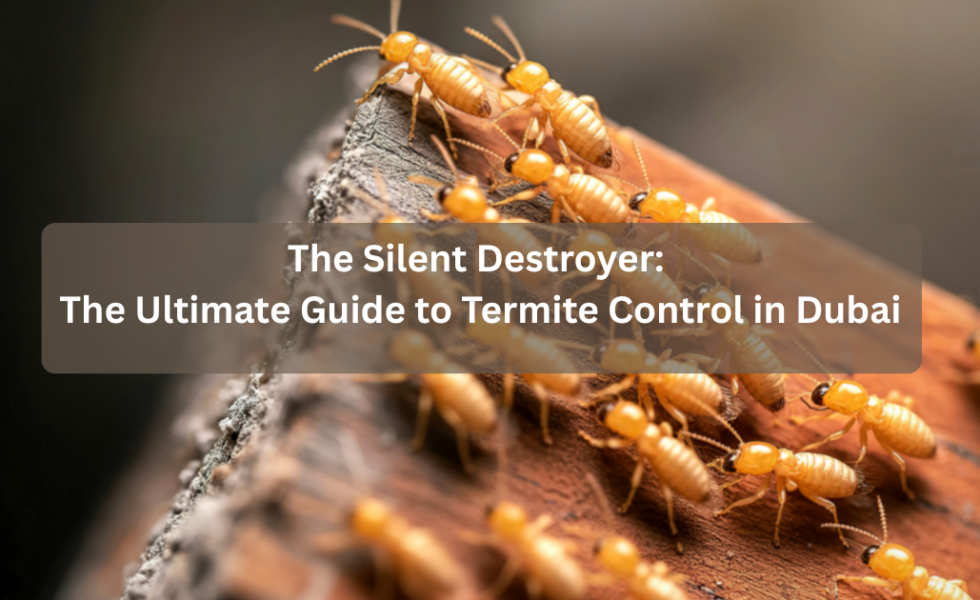
The Silent Destroyer: The Ultimate Guide to Termite Control in Dubai
Owning a villa or property in Dubai is one of the most significant investments you can make. But beneath the landscaped gardens and desert sand lies a threat that costs UAE property owners millions of dirhams every year — termites. Known locally as white ants, these insects work silently and invisibly, consuming structural timber, insulation, and wooden finishes from the inside out before a single visible sign appears.
By the time most Dubai homeowners realise they have a termite problem, the damage is already extensive. This guide covers everything you need to know about termite control in Dubai — the warning signs to watch for, the treatment options available, and the most effective way to protect your property before and after construction.
Why Dubai Properties Are at High Risk From Termites
Two termite species are primarily responsible for property damage across Dubai and the wider UAE — Coptotermes gestroi and Microcerotermes diversus. Both are subterranean species, meaning they nest underground in the moist sand beneath your foundation and travel upward through mud tubes into the structure above.
Dubai’s warm soil temperatures, year-round construction activity, and irrigated garden landscaping create ideal conditions for termite colonies to establish and grow. A mature colony contains hundreds of thousands of individual insects and can consume up to one kilogram of wood per day. The structural and cosmetic damage this causes — to timber frames, door and window surrounds, parquet flooring, kitchen cabinets, and roof timbers — is costly and often irreversible without significant repair work.
5 Warning Signs of Termites in Your Dubai Villa
Because subterranean termites in the UAE spend most of their lives underground or hidden inside timber, infestations are frequently advanced by the time they are spotted. Know these five warning signs and act on them immediately.
Mud tubes on walls or foundations
Subterranean termites build pencil-width tubes of compacted soil and saliva to travel between the ground and the wood they are consuming. These tubes are most commonly found along exterior foundation walls, inside utility ducts, and in the corners of rooms at floor level. The presence of mud tubes confirms an active infestation.
Hollow-sounding wood
Tap firmly on wooden door frames, skirting boards, stair treads, and kitchen cabinet panels. Wood that sounds hollow or papery has been consumed from the inside by termites, leaving only a thin outer shell. This is one of the clearest indicators of an established internal infestation.
Discarded wings near windows and doors
Once a year, winged reproductive termites — known as swarmers — leave the colony to establish new nests. They shed their wings almost immediately after landing. Finding small, equal-sized wings collected near windowsills, door frames, or light fittings is a strong sign that a termite colony is active on or near your property.
Bubbling or peeling paint
As termites consume wood within walls, they introduce moisture into the structure. This moisture causes paint to bubble, blister, or peel in a pattern that closely resembles water damage. If paint deterioration appears without a visible water source, termite activity within the wall is a serious possibility.
Stiff or warped doors and windows
Moisture produced by termites feeding on timber frames causes the wood to swell and warp. If doors or windows that previously opened smoothly become stiff or difficult to close, particularly in areas with no recent rainfall or plumbing issues, have them inspected for termite damage.
Termite Treatment Options in Dubai
Professional termite control in Dubai requires selecting the right treatment method for the specific type of infestation, the property’s construction, and whether treatment is being carried out before or after the building is occupied.
Pre-construction anti-termite soil treatment
This is the most cost-effective form of termite control available and the first line of defence for any new build in Dubai. Before the foundation is laid, the surrounding and underlying soil is saturated with a chemical termiticide that creates a continuous barrier preventing subterranean termites from entering the structure. Dubai Municipality strongly recommends pre-construction termite treatment as standard practice for all new properties across the UAE.
Post-construction liquid termiticide treatment
For existing properties, a liquid termiticide barrier is applied to the soil around and beneath the building by drilling through flooring or external paving at regular intervals. The treatment creates the same chemical barrier as pre-construction treatment, blocking termite access points and killing any termites that contact the treated zone. This is one of the most widely used termite control methods in Dubai for occupied villas and apartments.
Termite baiting systems
Bait stations are installed at measured intervals around the property’s perimeter. Foraging termites discover the slow-acting bait, carry it back to the colony, and share it with other members — including the queen. The entire colony is eliminated over weeks to months. Baiting systems are low-toxicity, safe for households with children and pets, and provide ongoing monitoring capability after the initial infestation is resolved.
Fumigation
For severe or widespread drywood termite infestations — where termites are living within the wood structure itself rather than the soil — fumigation provides the most comprehensive treatment. The property is sealed and flooded with a penetrating gas that eliminates all termites, larvae, and eggs within 24 to 72 hours. Residents are required to vacate during treatment.
Wood treatment and surface application
As a supplementary measure, termiticide is applied directly to exposed timber, door frames, wooden furniture, and other wooden fixtures. This is typically used alongside soil treatment or baiting rather than as a standalone solution, particularly for protecting high-value wooden finishes and antique furniture.
The Cost of Delaying Termite Treatment
The financial case for early intervention is straightforward. A professional termite inspection in Dubai costs a fraction of what structural repair costs once termites have been active for a season or more. Parquet flooring replacement, structural timber reinforcement, cabinet replacement, and replastering of damaged walls are all common consequences of delayed treatment — each individually more expensive than a full professional termite treatment programme.
Book a Free Termite Inspection in Dubai
Alpha Arabian is a Dubai Municipality-approved pest control company with extensive experience in residential and commercial termite control across Dubai and the UAE. We offer free inspections, transparent treatment recommendations, and long-term warranties on our termite programmes.
Whether you need pre-construction soil treatment for a new build, post-construction liquid barrier treatment for an existing villa, or a baiting system installation for ongoing colony monitoring — our certified technicians will assess your property and recommend the right solution.
Call +971 4 227 3111, WhatsApp +971 588 219677, or visit alphaarabianuae.com/termite-control to book your inspection today.
5 Hidden Mosquito Breeding Grounds in Your Dubai Garden: The Ultimate Prevention Guide
As the cooler months arrive in the UAE, residential life shifts outdoors. However, the perfect Dubai winter evening is often interrupted by an unwelcome guest: the mosquito. While many homeowners in areas like Arabian Ranches, Dubai Hills, and Jumeirah rely on supermarket sprays, the problem often persists because the source remains untreated.
At Alpha Arabian Cleaning Services, we have spent over 29 years perfecting mosquito control in Dubai. The secret to a pest-free garden isn’t just killing the adults—it’s breaking the breeding cycle.
Here are the five most common hidden spots where mosquitoes are breeding in your backyard right now.
1. AC Condensation Drip Trays
In the heart of Dubai, our air conditioning units are constantly running. The condensation generated by these units often drips into hidden trays or pools in specific corners of the garden. Because this water is fresh and stagnant, it is a prime nursery for mosquito larvae.
- The Alpha Arabian Tip: Ensure your AC drainage pipes are correctly routed into a sealed drain or utilized for deep-soil irrigation where water cannot pool on the surface.
2. Plant Pot Saucers & Over-Irrigation
Greenery is the pride of many Dubai villas, but the saucers under your pots are a major risk. After your morning irrigation, water sits in these saucers for days—plenty of time for a single mosquito to lay hundreds of eggs.
- The Alpha Arabian Tip: Empty your plant saucers daily or fill them with decorative gravel/sand to prevent standing water while still maintaining moisture for your plants.
3. Blocked Roof Gutters and Floor Drains
Dust and sandstorms are common in the UAE, often leading to blocked drainage systems. When you wash your patio or during the rare Dubai rain, water gets trapped behind sand and debris in your gutters.
- The Alpha Arabian Tip: Combine your mosquito prevention with regular deep cleaning services to ensure your outdoor drainage is clear and functional.
4. Forgotten Garden Toys and Buckets
It only takes a bottle-cap-sized amount of water for mosquitoes to breed. An overturned bucket, a neglected kiddie pool, or even a toy left on the grass can collect irrigation water and become a hotspot within 48 hours.
- The Alpha Arabian Tip: Store garden accessories in a dry shed and always store buckets upside down.
5. Leaky Irrigation Lines & Thick Hedges
If your irrigation system has a small leak, it creates “micro-puddles” hidden deep within thick grass or under heavy foliage where the sun cannot reach to evaporate them. These shaded, damp areas are the most overlooked breeding grounds in Dubai gardens.
- The Alpha Arabian Tip: Regularly inspect your irrigation lines. If you have dense landscaping, professional thermal fogging is the only way to reach these hidden pockets.
Why Choose Municipality Approved Mosquito Control?
Removing standing water is the first step, but for a total solution, professional intervention is required. At Alpha Arabian, we provide:
- Dubai Municipality Approved Chemicals: Safe for your children and pets once dry.
- Integrated Pest Management (IPM): We don’t just spray; we treat the larvae and the adults.
- 24/7 Availability: We work around your schedule to ensure your garden is ready for your weekend BBQ.
Reclaim Your Outdoors Today
Don’t let mosquitoes dictate when you can enjoy your garden. As a leading pest control company in Dubai, Alpha Arabian is ready to help you eliminate the buzz for good.
[Contact Alpha Arabian today for a Free Mosquito Inspection & Quote]
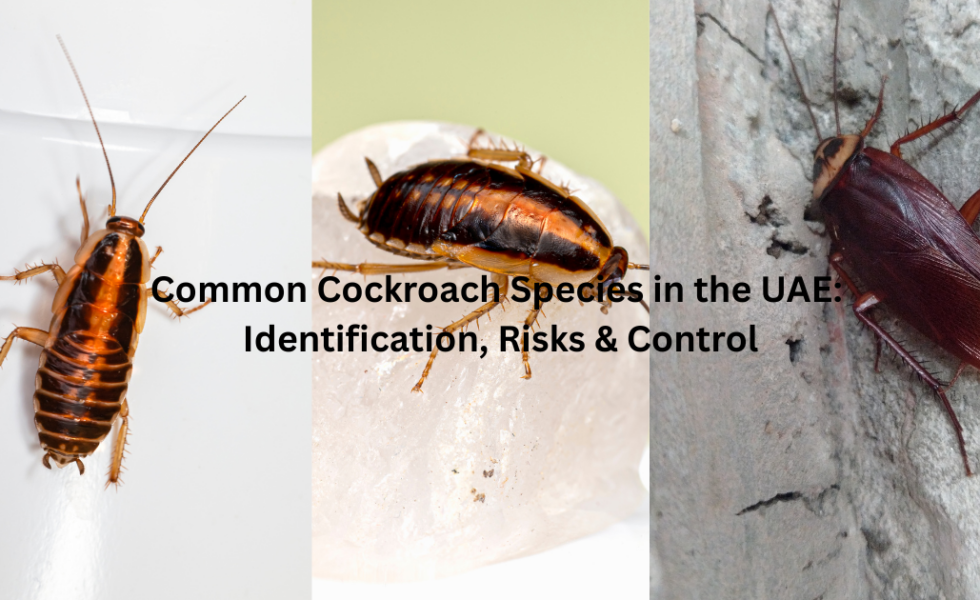
Common Cockroach Species in the UAE: Identification, Risks & Control
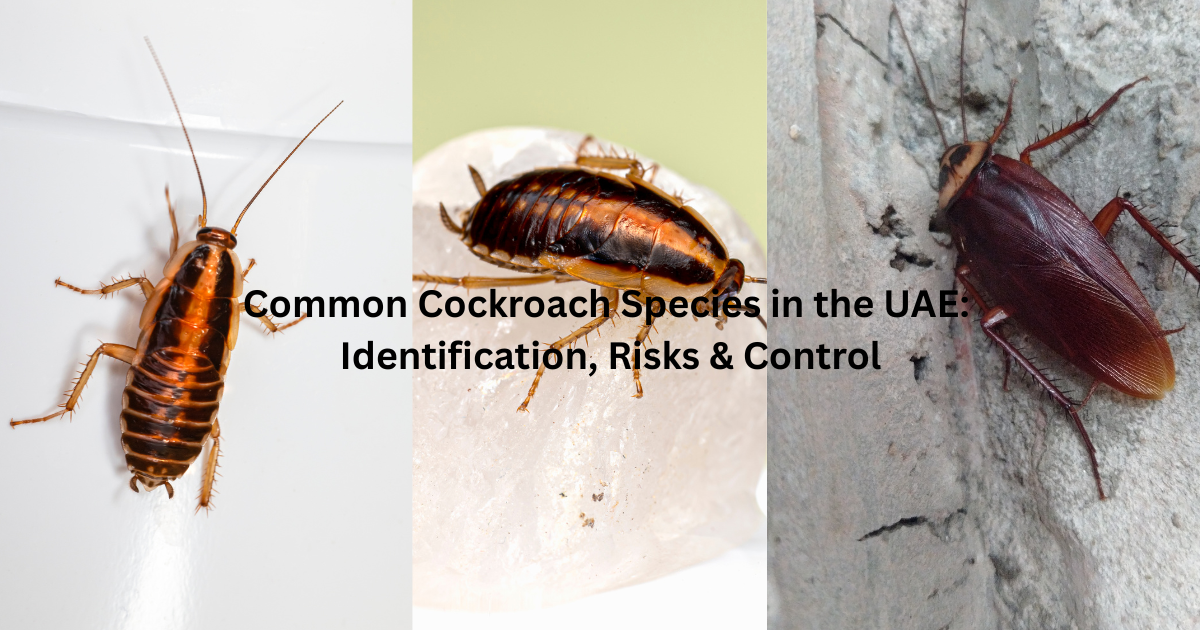
Cockroach infestations are one of the most common pest problems across the UAE. Due to the region’s hot climate, humidity, and dense urban living, multiple cockroach species thrive in homes, restaurants, warehouses, and commercial buildings.
Understanding which cockroach species are common in the UAE helps in choosing the right treatment method, because each species behaves differently and requires a specific control approach.
Why Cockroaches Are So Common in the UAE
Cockroaches flourish in the UAE because of:
- Warm temperatures year-round
- Moisture from air conditioning and plumbing
- Abundant food sources in kitchens and waste areas
- High-rise buildings with shared drainage systems
This makes professional pest management essential rather than temporary DIY solutions.
Most Common Cockroach Species Found in the UAE
1. German Cockroach (Blattella germanica)
Most common indoor cockroach in the UAE
Appearance:
- Small (1.1–1.6 cm)
- Light brown with two dark stripes on the back
Where found:
- Kitchens
- Bathrooms
- Behind refrigerators
- Inside cabinets and electrical appliances
Why they’re dangerous:
- Extremely fast breeding
- Hard to eliminate once established
- Spread bacteria like Salmonella and E. coli
German cockroaches are the number one reason apartments experience recurring infestations.
2. American Cockroach (Periplaneta americana)
Largest cockroach species commonly seen in the UAE
Appearance:
- Reddish-brown
- Up to 4 cm long
Where found:
- Drainage systems
- Sewers
- Basements
- Parking areas
- Commercial buildings
Key risks:
- Fly short distances
- Enter homes through drains
- Common in restaurants and hotels
These cockroaches require drain-focused and perimeter treatments, not surface sprays.
3. Oriental Cockroach (Blatta orientalis)
Often called the “water bug”
Appearance:
- Dark brown to black
- Shiny body
- Slower movement
Where found:
- Floor drains
- Bathrooms
- Garbage rooms
- Damp storage areas
Why they’re a concern:
- Thrive in moisture
- Indicate plumbing or drainage issues
- Carry harmful pathogens
Oriental cockroaches usually signal hidden moisture problems in buildings.
4. Brown-Banded Cockroach (Supella longipalpa)
Less common but increasingly found in UAE apartments
Appearance:
- Light brown
- Distinct brown bands across wings
Where found:
- Bedrooms
- Living rooms
- Inside furniture
- Electrical switchboards
Why they’re difficult:
- Prefer dry areas (not kitchens)
- Hide in high places
- Often missed during basic treatments
This species requires targeted gel and crack-and-crevice treatment.
Cockroach Species Comparison Table
Species | Size | Common Locations | Infestation Risk |
German | Small | Kitchens, appliances | Very High |
American | Large | Drains, sewers | High |
Oriental | Medium | Bathrooms, damp areas | Moderate |
Brown-Banded | Small | Bedrooms, furniture | Moderate |
Why Species Identification Matters
Different cockroach species:
- Nest in different locations
- Respond to different treatments
- Reproduce at different speeds
Using the wrong treatment often results in temporary relief and recurring infestations.
This is why professional inspection and species-specific treatment is essential.
Health Risks Caused by Cockroaches
Cockroaches can:
- Contaminate food and surfaces
- Trigger asthma and allergies
- Spread bacteria and pathogens
- Cause unpleasant odours
In restaurants and food businesses, cockroach infestations can lead to Dubai Municipality penalties or closures.
Why DIY Cockroach Control Often Fails in the UAE
DIY sprays and traps usually:
- Kill only visible cockroaches
- Fail to reach nests and eggs
- Do not address drainage or wall voids
- Worsen resistance in German cockroaches
For recurring infestations, professional
pest control in Dubai is the safest and most effective solution.
How Professional Cockroach Control Works
A professional approach includes:
- Identifying the cockroach species
- Locating nesting and breeding areas
- Using gel, spray, and drain treatments
- Sealing entry points
- Follow-up visits if required
This method ensures long-term elimination, not just short-term relief.
How to Prevent Cockroach Infestations in UAE Homes
- Keep kitchens dry and clean
- Seal cracks and gaps
- Clean floor and sink drains regularly
- Store food in airtight containers
- Fix leaking pipes promptly
- Schedule regular pest inspections
Prevention is far more affordable than emergency treatment.
Final Thoughts
The UAE is home to multiple cockroach species, each with unique behaviours and risks. Correct identification is the key to successful treatment. If cockroaches keep returning despite cleaning and DIY sprays, it’s a clear sign that professional treatment is needed.
For safe, effective, and municipality-approved solutions, trust expert pest control services in Dubai that target the root cause—not just the symptoms.
Call or WhatsApp now for a free inspection
Dubai Municipality Pest Control Rules 2025
Dubai Municipality Pest Control Rules: What Homeowners & Businesses Must Know (2025 Guide)
Pest control in Dubai is not just a convenience — it is regulated by Dubai Municipality to protect public health, food safety, and the environment. Whether you are a homeowner, landlord, restaurant owner, or business operator, understanding Dubai Municipality pest control rules is essential to stay compliant and avoid penalties.
This guide explains:
- What Dubai Municipality requires
- Who must follow pest control regulations
- Approved chemicals and procedures
- Rules for homes vs businesses
- Consequences of non-compliance
Why Dubai Municipality Regulates Pest Control
Dubai’s climate allows pests to thrive year-round. Unregulated pest control can cause:
- Health hazards from toxic chemicals
- Food contamination
- Environmental damage
- Risk to children, pets, and the public
Dubai Municipality regulates pest control to ensure:
- Safe chemical usage
- Certified technicians
- Hygienic living and working environments
- Standardised treatment practices
Who Must Follow Dubai Municipality Pest Control Rules?
Dubai Municipality pest control regulations apply to:
Residential Properties
- Apartments
- Villas
- Shared accommodations
- Labour camps
Commercial Properties (Mandatory Compliance)
- Restaurants & cafés
- Bakeries & food processing units
- Supermarkets
- Hotels & hotels apartments
- Clinics & hospitals
- Warehouses
- Schools & nurseries
For food-related businesses, regular pest control is mandatory, not optional.
Dubai Municipality–Approved Pest Control Companies
Only licensed pest control companies approved by Dubai Municipality are allowed to provide professional pest control services.
Approved companies must:
- Hold valid trade and pest control licenses
- Use municipality-approved chemicals only
- Employ trained and certified technicians
- Follow safe application procedures
- Maintain treatment records
Hiring unlicensed operators can lead to fines and legal issues.
Approved Chemicals & Treatment Methods
Dubai Municipality strictly controls the type of pesticides used.
What Is Allowed
- Municipality-approved insecticides and rodenticides
- Eco-friendly and low-toxicity formulations
- Odourless treatments for residential use
- Food-safe chemicals for commercial kitchens
What Is NOT Allowed
- Banned or imported chemicals
- Excessive chemical application
- Unsafe fogging in enclosed areas
- DIY chemical misuse in commercial spaces
Improper chemical use can result in immediate penalties.
Mandatory Pest Control for Restaurants & Food Businesses
Restaurants and food establishments must:
- Conduct monthly pest control treatments
- Maintain pest control service contracts
- Keep treatment certificates and reports
- Ensure pest-free kitchens, storage, and waste areas
Dubai Municipality inspectors regularly check:
- Presence of pests
- Cleanliness and hygiene
- Pest control documentation
Failure to comply can lead to:
- Warnings
- Fines
- Temporary closure
- License suspension
Pest Control Rules for Homes & Villas
While pest control is not legally mandatory for private homes, Dubai Municipality strongly recommends regular treatment because:
- Pests spread easily between units
- Infestations affect neighbours
- Landlords can be held responsible in rental disputes
Most professionals recommend pest control every 3 months for Dubai homes.
Record Keeping & Documentation Requirements
Commercial properties must maintain:
- Pest control contract copies
- Treatment reports
- Chemical safety data sheets
- Service schedules
These records must be available during inspections.
Penalties for Non-Compliance
Violating pest control regulations can result in:
- Fines ranging from AED 500 to AED 10,000+
- Closure notices for food establishments
- License suspension
- Legal action for repeat violations
Prevention is always cheaper than penalties.
Why DIY Pest Control Can Be Risky in Dubai
DIY pest control may:
- Use unapproved chemicals
- Fail to eliminate infestation sources
- Increase health risks
- Lead to repeated infestations
Dubai Municipality discourages DIY pest control for serious infestations and commercial properties.
Choosing a Compliant Pest Control Company in Dubai
Before hiring a pest control service, ensure they:
- Are Dubai Municipality licensed
- Use approved chemicals
- Provide service reports and warranty
- Follow safe application methods
For recurring or serious infestations, relying on professional
pest control in Dubai ensures compliance, safety, and long-term protection.
How Often Should Pest Control Be Done According to Best Practices?
- Homes & apartments: Every 3 months
- Villas: Every 2–3 months
- Restaurants & food outlets: Monthly
- Warehouses & commercial spaces: As per risk assessment
Regular treatment aligns with municipality hygiene standards.
Final Thoughts
Dubai Municipality pest control rules exist to protect residents, businesses, and the city’s environment. Understanding and following these guidelines helps prevent health risks, avoid fines, and maintain safe living and working spaces.
For guaranteed compliance and peace of mind, always choose municipality-approved pest control services in Dubai.
📞 Call or WhatsApp now for a free inspection