Monthly Archives: January 2026

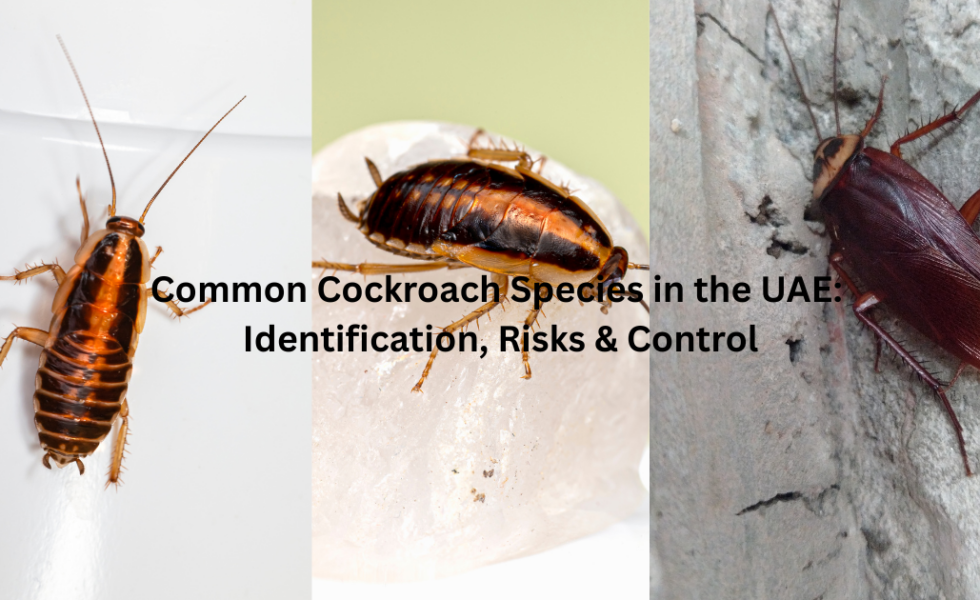
Common Cockroach Species in the UAE: Identification, Risks & Control

Common Cockroach Species in the UAE: Identification, Risks & Control

Common Cockroach Species in the UAE: Identification, Risks & Control
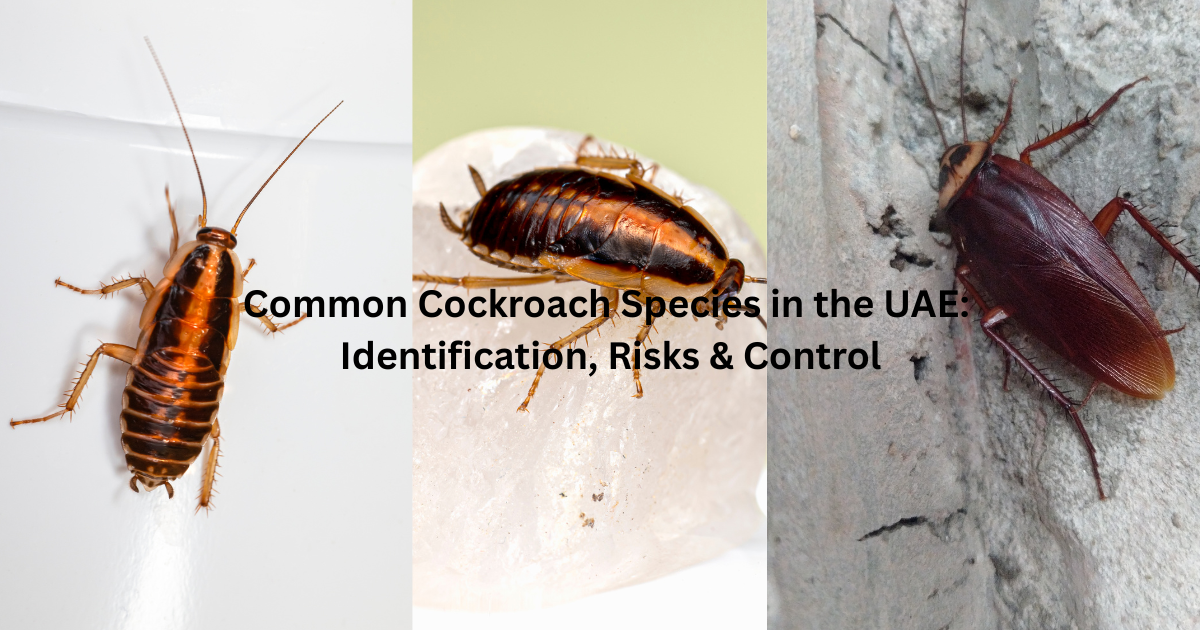
Cockroach infestations are one of the most common pest problems across the UAE. Due to the region’s hot climate, humidity, and dense urban living, multiple cockroach species thrive in homes, restaurants, warehouses, and commercial buildings.

Understanding which cockroach species are common in the UAE helps in choosing the right treatment method, because each species behaves differently and requires a specific control approach.

Why Cockroaches Are So Common in the UAE

Cockroaches flourish in the UAE because of:

  • Warm temperatures year-round


  • Moisture from air conditioning and plumbing


  • Abundant food sources in kitchens and waste areas


  • High-rise buildings with shared drainage systems


This makes professional pest management essential rather than temporary DIY solutions.

Most Common Cockroach Species Found in the UAE

1. German Cockroach (Blattella germanica)

Most common indoor cockroach in the UAE

Appearance:

  • Small (1.1–1.6 cm)


  • Light brown with two dark stripes on the back


Where found:

  • Kitchens


  • Bathrooms


  • Behind refrigerators


  • Inside cabinets and electrical appliances


Why they’re dangerous:

  • Extremely fast breeding


  • Hard to eliminate once established


  • Spread bacteria like Salmonella and E. coli


🔎 German cockroaches are the number one reason apartments experience recurring infestations.

2. American Cockroach (Periplaneta americana)

Largest cockroach species commonly seen in the UAE

Appearance:

  • Reddish-brown


  • Up to 4 cm long


Where found:

  • Drainage systems


  • Sewers


  • Basements


  • Parking areas


  • Commercial buildings


Key risks:

  • Fly short distances


  • Enter homes through drains


  • Common in restaurants and hotels


These cockroaches require drain-focused and perimeter treatments, not surface sprays.

3. Oriental Cockroach (Blatta orientalis)

Often called the “water bug”

Appearance:

  • Dark brown to black


  • Shiny body


  • Slower movement


Where found:

  • Floor drains


  • Bathrooms


  • Garbage rooms


  • Damp storage areas


Why they’re a concern:

  • Thrive in moisture


  • Indicate plumbing or drainage issues


  • Carry harmful pathogens


Oriental cockroaches usually signal hidden moisture problems in buildings.

4. Brown-Banded Cockroach (Supella longipalpa)

Less common but increasingly found in UAE apartments

Appearance:

  • Light brown


  • Distinct brown bands across wings


Where found:

  • Bedrooms


  • Living rooms


  • Inside furniture


  • Electrical switchboards


Why they’re difficult:

  • Prefer dry areas (not kitchens)


  • Hide in high places


  • Often missed during basic treatments


This species requires targeted gel and crack-and-crevice treatment.

Cockroach Species Comparison Table

Species

Size

Common Locations

Infestation Risk

German

Small

Kitchens, appliances

Very High

American

Large

Drains, sewers

High

Oriental

Medium

Bathrooms, damp areas

Moderate

Brown-Banded

Small

Bedrooms, furniture

Moderate

Why Species Identification Matters

Different cockroach species:

  • Nest in different locations


  • Respond to different treatments


  • Reproduce at different speeds


Using the wrong treatment often results in temporary relief and recurring infestations.

This is why professional inspection and species-specific treatment is essential.

Health Risks Caused by Cockroaches

Cockroaches can:

  • Contaminate food and surfaces


  • Trigger asthma and allergies


  • Spread bacteria and pathogens


  • Cause unpleasant odours


In restaurants and food businesses, cockroach infestations can lead to Dubai Municipality penalties or closures.

Why DIY Cockroach Control Often Fails in the UAE

DIY sprays and traps usually:

  • Kill only visible cockroaches


  • Fail to reach nests and eggs


  • Do not address drainage or wall voids


  • Worsen resistance in German cockroaches


For recurring infestations, professional
pest control in Dubai
is the safest and most effective solution.

How Professional Cockroach Control Works

A professional approach includes:

  1. Identifying the cockroach species


  2. Locating nesting and breeding areas


  3. Using gel, spray, and drain treatments


  4. Sealing entry points


  5. Follow-up visits if required


This method ensures long-term elimination, not just short-term relief.

How to Prevent Cockroach Infestations in UAE Homes

  • Keep kitchens dry and clean


  • Seal cracks and gaps


  • Clean floor and sink drains regularly


  • Store food in airtight containers


  • Fix leaking pipes promptly


  • Schedule regular pest inspections


Prevention is far more affordable than emergency treatment.

Final Thoughts

The UAE is home to multiple cockroach species, each with unique behaviours and risks. Correct identification is the key to successful treatment. If cockroaches keep returning despite cleaning and DIY sprays, it’s a clear sign that professional treatment is needed.

For safe, effective, and municipality-approved solutions, trust expert pest control services in Dubai that target the root cause—not just the symptoms.

📞 Call or WhatsApp now for a free inspection
Dubai Municipality Pest Control Rules 2025

Dubai Municipality Pest Control Rules: What Homeowners & Businesses Must Know (2025 Guide)

Pest control in Dubai is not just a convenience — it is regulated by Dubai Municipality to protect public health, food safety, and the environment. Whether you are a homeowner, landlord, restaurant owner, or business operator, understanding Dubai Municipality pest control rules is essential to stay compliant and avoid penalties.

This guide explains:

  • What Dubai Municipality requires

  • Who must follow pest control regulations

  • Approved chemicals and procedures

  • Rules for homes vs businesses

  • Consequences of non-compliance

Why Dubai Municipality Regulates Pest Control

Dubai’s climate allows pests to thrive year-round. Unregulated pest control can cause:

  • Health hazards from toxic chemicals

  • Food contamination

  • Environmental damage

  • Risk to children, pets, and the public

Dubai Municipality regulates pest control to ensure:

  • Safe chemical usage

  • Certified technicians

  • Hygienic living and working environments

  • Standardised treatment practices

Who Must Follow Dubai Municipality Pest Control Rules?

Dubai Municipality pest control regulations apply to:

Residential Properties

  • Apartments

  • Villas

  • Shared accommodations

  • Labour camps

Commercial Properties (Mandatory Compliance)

  • Restaurants & cafés

  • Bakeries & food processing units

  • Supermarkets

  • Hotels & hotels apartments

  • Clinics & hospitals

  • Warehouses

  • Schools & nurseries

For food-related businesses, regular pest control is mandatory, not optional.

Dubai Municipality–Approved Pest Control Companies

Only licensed pest control companies approved by Dubai Municipality are allowed to provide professional pest control services.

Approved companies must:

  • Hold valid trade and pest control licenses

  • Use municipality-approved chemicals only

  • Employ trained and certified technicians

  • Follow safe application procedures

  • Maintain treatment records

Hiring unlicensed operators can lead to fines and legal issues.

Approved Chemicals & Treatment Methods

Dubai Municipality strictly controls the type of pesticides used.

What Is Allowed

  • Municipality-approved insecticides and rodenticides

  • Eco-friendly and low-toxicity formulations

  • Odourless treatments for residential use

  • Food-safe chemicals for commercial kitchens

What Is NOT Allowed

  • Banned or imported chemicals

  • Excessive chemical application

  • Unsafe fogging in enclosed areas

  • DIY chemical misuse in commercial spaces

Improper chemical use can result in immediate penalties.

Mandatory Pest Control for Restaurants & Food Businesses

Restaurants and food establishments must:

  • Conduct monthly pest control treatments

  • Maintain pest control service contracts

  • Keep treatment certificates and reports

  • Ensure pest-free kitchens, storage, and waste areas

Dubai Municipality inspectors regularly check:

  • Presence of pests

  • Cleanliness and hygiene

  • Pest control documentation

Failure to comply can lead to:

  • Warnings

  • Fines

  • Temporary closure

  • License suspension

Pest Control Rules for Homes & Villas

While pest control is not legally mandatory for private homes, Dubai Municipality strongly recommends regular treatment because:

  • Pests spread easily between units

  • Infestations affect neighbours

  • Landlords can be held responsible in rental disputes

Most professionals recommend pest control every 3 months for Dubai homes.

Record Keeping & Documentation Requirements

Commercial properties must maintain:

  • Pest control contract copies

  • Treatment reports

  • Chemical safety data sheets

  • Service schedules

These records must be available during inspections.

Penalties for Non-Compliance

Violating pest control regulations can result in:

  • Fines ranging from AED 500 to AED 10,000+

  • Closure notices for food establishments

  • License suspension

  • Legal action for repeat violations

Prevention is always cheaper than penalties.

Why DIY Pest Control Can Be Risky in Dubai

DIY pest control may:

  • Use unapproved chemicals

  • Fail to eliminate infestation sources

  • Increase health risks

  • Lead to repeated infestations

Dubai Municipality discourages DIY pest control for serious infestations and commercial properties.

Choosing a Compliant Pest Control Company in Dubai

Before hiring a pest control service, ensure they:

  • Are Dubai Municipality licensed

  • Use approved chemicals

  • Provide service reports and warranty

  • Follow safe application methods

For recurring or serious infestations, relying on professional
pest control in Dubai
ensures compliance, safety, and long-term protection.

How Often Should Pest Control Be Done According to Best Practices?

  • Homes & apartments: Every 3 months

  • Villas: Every 2–3 months

  • Restaurants & food outlets: Monthly

  • Warehouses & commercial spaces: As per risk assessment

Regular treatment aligns with municipality hygiene standards.

Final Thoughts

Dubai Municipality pest control rules exist to protect residents, businesses, and the city’s environment. Understanding and following these guidelines helps prevent health risks, avoid fines, and maintain safe living and working spaces.

For guaranteed compliance and peace of mind, always choose municipality-approved pest control services in Dubai.

📞 Call or WhatsApp now for a free inspection


WeCreativez WhatsApp Support
Our customer support team is here to answer your questions. Ask us anything!
???? Hi, how can I help?
Call us