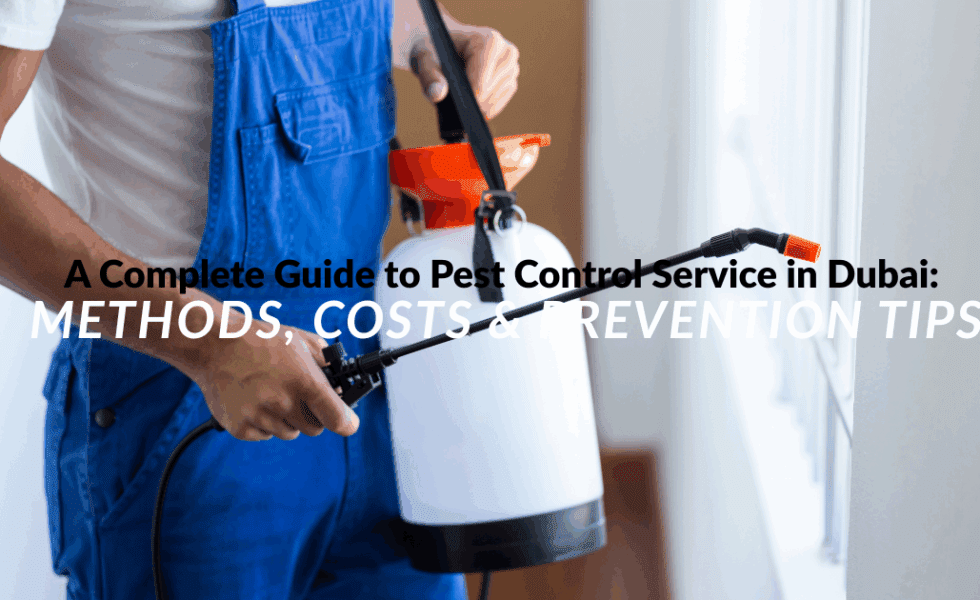
A Complete Guide to Pest Control Service in Dubai: Methods, Costs & Tips
Living in Dubai offers a vibrant lifestyle, but the warm climate and rapid urbanization also make it a hotspot for pest infestations. Whether you’re a homeowner in Jumeirah, a tenant in Bur Dubai, or managing a business in Downtown, pests like cockroaches, ants, rodents, and termites can become a serious concern. That’s why opting for a professional pest control service in Dubai isn’t just a convenience — it’s a necessity.
In this guide, we’ll cover everything you need to know: common pests in Dubai, the methods used by pest control companies, costs involved, and how to choose the right service for your needs.
Why Pest Control Is Crucial in Dubai
The desert climate of Dubai provides the perfect breeding ground for many pests. Combine this with air-conditioned homes, food sources, and water leaks, and you’ve created an ideal environment for infestations.
Some common issues residents face:
- Cockroaches in kitchens and drainage systems
- Ants invading countertops and food storage
- Termites damaging wooden furniture and structures
- Rodents causing health hazards and property damage
- Bed bugs hiding in mattresses and upholstery
All these pests not only create discomfort but can also pose serious health risks. Professional pest control service in Dubai helps eliminate infestations at the source and prevent them from recurring.
Types of Pest Control Services Available in Dubai
There are several methods offered by certified pest control companies, depending on the pest type and severity:
1. Gel Baiting & Sprays (Cockroaches & Ants)
This method uses odorless gel applied in hidden spots, especially effective in kitchens and offices. It’s child- and pet-safe and has long-term effects.
2. ULV Fogging (Mosquitoes & Flies)
Ultra-low volume fogging disperses a fine mist that kills flying insects in indoor and outdoor spaces. It’s a fast and effective way to reduce mosquito populations.
3. Heat Treatment (Bed Bugs)
This method eliminates bed bugs by raising room temperatures to lethal levels. It penetrates mattress seams, sofa cushions, and other hard-to-reach areas.
4. Rodent Trapping & Bait Stations
Professionals place baited traps or stations in entry points and pathways. These are safe, targeted, and minimize harm to non-target species.
5. Anti-Termite Soil Treatment
Ideal for both new construction and existing properties. Chemicals are injected into soil or drilled into the base of walls to form a protective barrier.
6. Eco-Friendly or Organic Pest Control
A growing number of clients in Dubai now prefer eco-friendly pest control services. These use plant-based repellents and organic compounds that are safe for the environment, pets, and families.
How to Choose the Right Pest Control Company in Dubai
Not all companies are created equal. When selecting a pest control service in Dubai, consider the following:
- Dubai Municipality Approval
Ensure the provider is certified to operate in residential and commercial spaces. - Eco-Safe Practices
Ask whether they use non-toxic, family-safe chemicals. - Experience & Reputation
Look for 4.5+ star ratings, good testimonials, and before-after case studies. - Emergency Services
Choose companies that offer same-day or 24/7 services, especially if you’re dealing with rodents or bed bugs. - Guarantees & Follow-ups
A reliable pest control company will offer warranties (e.g., 3-month coverage) and follow-up visits if pests return.
What’s the Cost of Pest Control Service in Dubai?
The cost depends on several factors:
|
Pest Type |
Service Type |
Estimated Cost (AED) |
|
Cockroaches |
1BHK apartment |
150 – 250 |
|
Termites |
Villa soil treatment |
1,200 – 2,500 |
|
Bed Bugs |
2BHK room treatment |
250 – 450 |
|
Rodents |
Commercial kitchen |
300 – 600 |
|
Mosquitoes |
Outdoor fogging |
200 – 400 |
Note: Always request a free inspection and quote before finalizing.
Preventive Pest Control Tips for Dubai Residents
Even after professional treatment, maintaining a pest-free home requires effort. Here are essential tips:
- Keep your home clean and dry, especially kitchen counters and bathroom floors
- Dispose of garbage daily and seal food containers
- Fix leaking pipes and water sources that attract pests
- Declutter storage spaces like wardrobes and under-sink areas
- Seal cracks, windows, and entry points to block access
Areas in Dubai Where Pest Control Is in High Demand
Due to population density and humidity levels, the following areas often require frequent pest control services in Dubai:
- Bur Dubai
- Jumeirah
- Dubai Marina
- Dubai Hills
- Al Karama
- International City
- Deira
- Al Barsha
- Al Nahda
Whether it’s a commercial space or a residential flat, each location requires a tailored pest management plan.
Final Thoughts
In a fast-paced city like Dubai, dealing with pests shouldn’t add to your stress. Choosing a reliable and professional pest control service in Dubai can save you from property damage, health hazards, and recurring infestations.
For lasting peace of mind, look for certified, eco-conscious providers who offer warranties, transparent pricing, and fast service — because your family’s health and comfort come first.
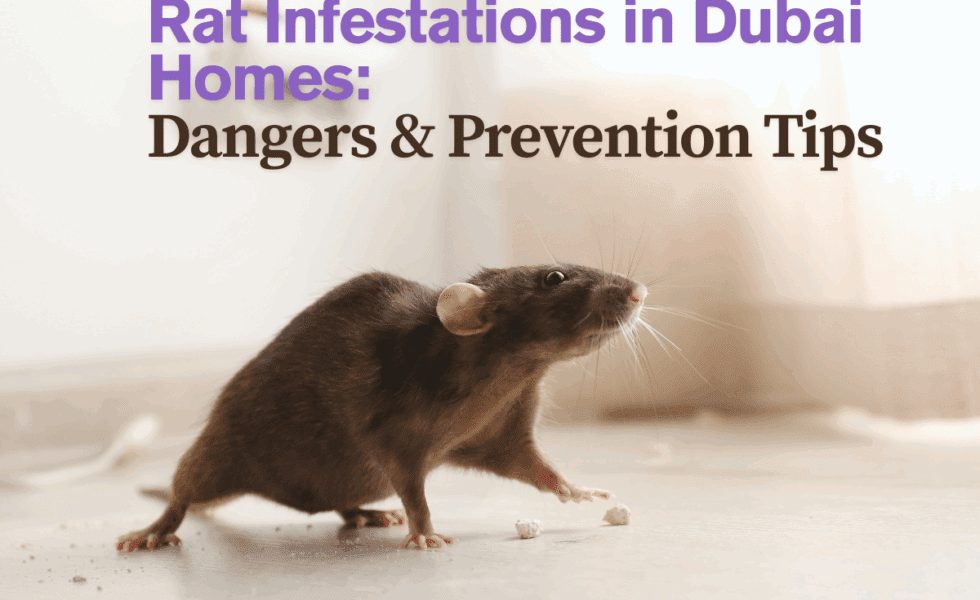
Rat Infestations in Dubai Homes: Dangers & Prevention Tips
In the heart of the UAE, rat infestations are a growing concern for many residents. The need for rat control in Dubai has become more urgent than ever due to the city’s rapid urban expansion and year-round warm climate. If left unchecked, these pests can threaten your health, damage property, and compromise your peace of mind.
Understanding the Scale of Rat Problems in Dubai
Why Dubai’s Climate Encourages Rat Breeding
Dubai’s hot, arid climate and densely populated neighborhoods create ideal conditions for rats to thrive. The abundance of food waste in urban areas, coupled with the shelter provided by buildings, gives rats the perfect habitat to multiply quickly.
Common Areas Rats Invade in Urban Homes
Rats are skilled at finding entry points. In Dubai homes, they often hide in:
- Kitchen cupboards
- Storage rooms
- Basements
- Roofs and attics
- AC ducts and behind appliances
Once inside, they can be hard to detect until the damage is done.
The Real Dangers of Rat Infestations
Health Hazards Caused by Rats
Rats are carriers of serious diseases like leptospirosis, salmonella, hantavirus, and rat-bite fever. They spread bacteria through droppings, urine, and direct contact, making your home a health hazard.
Structural Damage to Property
Rats gnaw incessantly, chewing through wood, plastic, insulation, and even concrete. Over time, this leads to significant damage to your walls, ceilings, and home infrastructure.
Fire Hazards from Chewed Wires
One of the lesser-known but deadliest risks: rats often chew on electrical wiring, which can result in short circuits and house fires. This risk is especially high in older villas and apartments with exposed wires.
Contamination of Food & Water
Rats contaminate pantry items and water supplies as they scurry through kitchens and storage spaces. This leads to wastage and potential poisoning if consumed unknowingly.
Psychological Stress and Anxiety
The presence of rats can induce anxiety, especially in families with children. The fear of disease, nocturnal noises, and visible droppings can severely disrupt daily living and peace of mind.
Signs You Might Have a Rat Problem
Droppings, Smudges, and Strange Noises
Common signs include:
- Small black droppings in corners or near food storage
- Smudge marks on walls from greasy fur
- Scratching or scampering sounds at night
Gnawed Items and Nesting Materials
Rats chew on plastic containers, paper, cardboard, and electrical wires. They also gather soft materials like fabric or paper to build nests, often hidden behind appliances or inside walls.
Sightings at Night
Rats are nocturnal. If you spot one in daylight, it’s a sign of a major infestation, as it usually means the nest is overcrowded.
Why DIY Rat Control Often Fails in Dubai
Resistant Rat Species in the UAE
Dubai is home to highly adaptive rat species that often survive common store-bought traps and poisons. Some even build resistance to certain toxins over time.
Incomplete Extermination and Return Infestations
Without professional help, it’s difficult to eliminate entire nests. DIY efforts may kill a few rats, but the colony can quickly bounce back.
Effective Rat Control in Dubai: What Works?
Professional Pest Control Services
Licensed pest control companies in Dubai use advanced methods like thermal imaging to locate nests and apply targeted extermination techniques.
Use of Advanced Traps and Baits
Modern rat traps are more humane and effective than old-school snap traps. Experts use bait strategies that adapt based on the species and behavior patterns of local rats.
Long-Term Rodent Monitoring Solutions
Top pest control services offer monthly monitoring and digital tracking to ensure that rats don’t return, especially in high-risk buildings.
Prevention Tips Every Dubai Homeowner Should Follow
Sealing Entry Points and Cracks
Inspect your home regularly and seal cracks, holes, and gaps in walls, roofs, and around AC units with steel wool or caulk.
Maintaining Clean and Clutter-Free Spaces
Cluttered spaces offer perfect nesting areas. Keep storage tidy and reduce paper, cardboard, and unused items.
Secure Trash and Food Storage
Rats are drawn to food and waste. Use metal bins with tight-fitting lids and avoid leaving pet food or garbage out overnight.
Regular Home Inspections
Schedule quarterly or bi-annual pest inspections to detect issues early, especially during the rainy or cooler months when rats seek indoor warmth.
Seasonal Rat Activity: When Infestations Peak
Increased Activity in Winter and Rainy Seasons
Rats become more active indoors when outdoor temperatures drop. They search for warmth and food inside homes, especially between November and February.
Rat Movement Patterns During Summer
In summer, rats tend to move through underground pipes and drains. They may enter homes through plumbing systems or cool, shaded crawlspaces.
Rat Control in Dubai Apartments vs. Villas
Challenges in Shared Living Spaces
Apartments pose a challenge because rats can move between units through shared ducts and utility lines. One unit’s problem can become a building-wide issue.
Outdoor Rat Entry in Villas
Villas are vulnerable due to gardens, garages, and roof access. Rats can easily nest in outdoor storage and enter through the roof or AC vents.
Eco-Friendly Rat Control Solutions
Use of Ultrasonic Devices
These devices emit high-frequency sounds that are intolerable to rats but safe for humans and pets. While not a complete solution, they can deter rats from entering.
Natural Repellents and Herbs
Peppermint oil, bay leaves, and eucalyptus are known to repel rats. Soak cotton balls in these oils and place them in suspected entry points.
Humane Traps
Live-catch traps are a non-lethal option for removing rats and relocating them safely—ideal for those who prefer cruelty-free methods.
Role of Dubai Municipality in Rat Control
Reporting Infestations
Dubai Municipality encourages residents to report rat sightings via their hotline or mobile app. This helps monitor and manage city-wide infestations.
Public Pest Control Programs
Municipal teams often conduct fogging and baiting in public areas, sewers, and alleys, especially during high-risk seasons.
How Rats Enter Dubai Homes Undetected
Through AC Ducts and Roof Gaps
Dubai’s reliance on centralized air conditioning creates a prime access route for rats. These ducts, if unsealed, provide a hidden highway into your living spaces. Roof gaps and vent covers can also become entry points, especially during the cooler months when rats seek warmth indoors.
Drains and Plumbing Systems
Rats are notorious swimmers and climbers. They can enter homes through toilets, broken drainpipes, or under-sink plumbing systems. Regular maintenance and the use of drain covers can significantly reduce this risk.
Common Rat Species Found in Dubai
Roof Rats
Also known as black rats, these are the most common in Dubai. They are excellent climbers and prefer high places like roofs, attics, and false ceilings. They’re smaller and slimmer than other types but reproduce rapidly.
Norway Rats
These large, burrowing rats often live in basements, gardens, and sewers. They can chew through concrete and cause extensive structural damage. They are aggressive and typically more difficult to exterminate.
Desert Rats
Though more prevalent in the outskirts and rural areas of the UAE, desert rats occasionally invade city homes, especially villas with outdoor gardens. Their behavior differs slightly—they tend to stay in dry, sandy zones and create underground nests.
Myths About Rat Control in Dubai
“Cats Are Enough” Myth
While having a cat might reduce rodent activity, it’s not a foolproof solution. Many rats are nocturnal, fast, and can hide in places cats can’t reach. Moreover, relying solely on a pet may not eliminate the entire colony.
“Poison Solves It All” Myth
Store-bought rat poison may offer short-term relief but doesn’t address the root cause. Poisoned rats can die in inaccessible places, creating odor issues, and if not used correctly, poisons pose risks to children and pets.
Choosing the Right Pest Control Service in Dubai
What to Look for in a Licensed Company
When hiring a pest control provider, check for:
- Municipal licensing and insurance
- Experience with rodent infestations
- Safe and eco-friendly treatment options
- Post-treatment follow-ups and guarantees
Cost, Reviews, and Response Time
Prices vary based on the size of the property and severity of the infestation. On average, rat control in Dubai can cost between AED 250–750 per session. Check online reviews for service reliability, technician professionalism, and promptness.
FAQs About Rat Control in Dubai
What attracts rats to homes in Dubai?
Rats are mainly attracted to food, water, and shelter. Poor waste management, cluttered storage, and unsealed entry points make your home inviting.
How quickly do rat populations grow?
Extremely fast. A single pair can produce over 1,500 offspring in a year. That’s why early detection and control are essential.
Are professional treatments safe for kids and pets?
Yes, reputable pest control services in Dubai use child- and pet-safe methods, including non-toxic baits and sealed trap systems.
How much does rat control in Dubai cost?
It typically ranges from AED 250 to AED 750 per visit, depending on property size and infestation severity. Some companies offer packages with regular inspections.
Can rats return after treatment?
Yes, if prevention steps aren’t followed. Without sealing entry points and maintaining cleanliness, rats can reinfest your home within weeks.
Is monthly pest control necessary?
Not always. For mild infestations, a one-time treatment with follow-up may suffice. However, in rat-prone zones or shared living spaces, monthly or quarterly services are recommended.
Final Thoughts: Stay Ahead of Infestations with Smart Rat Control
Building a Prevention Routine
Effective rat control in Dubai starts with prevention. Conduct monthly inspections, keep your space clutter-free, and be proactive about sealing gaps and managing waste. Prevention is always cheaper and safer than extermination.
Partnering with Experts
When in doubt, consult a licensed pest control service. Professionals have access to tools, treatments, and experience that go beyond what DIY methods can offer. Investing in expert help protects your health, your home, and your sanity.
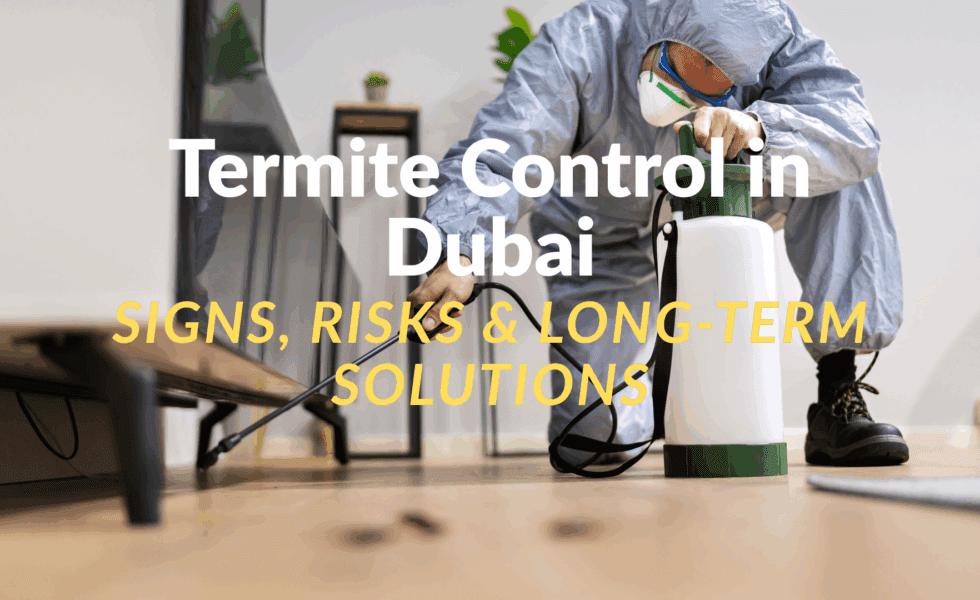
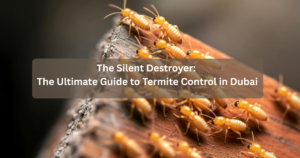
Termite Control in Dubai: Signs, Risks & Long-Term Solutions
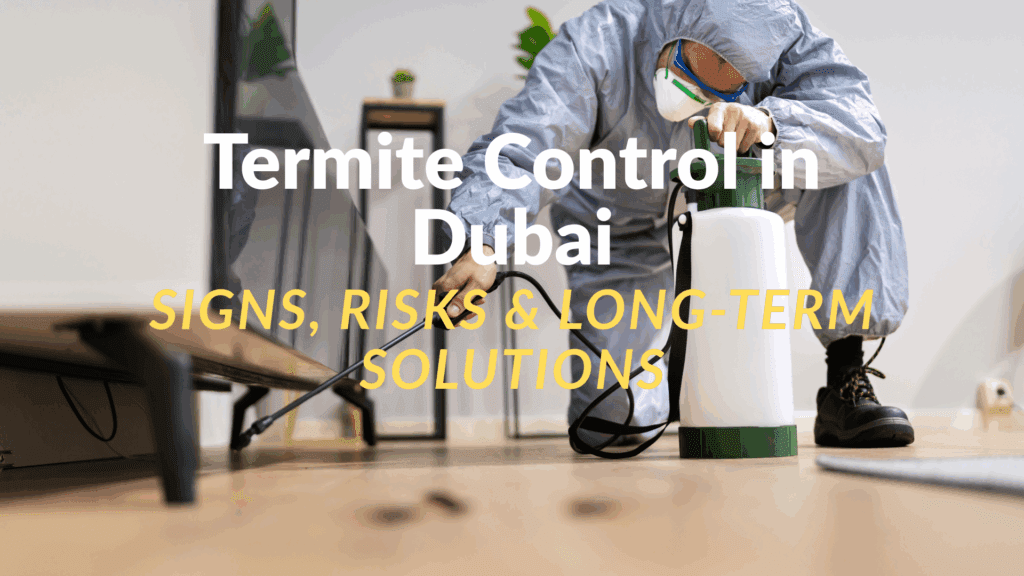
Termites are more than just a nuisance; in Dubai’s arid climate, they pose a silent threat to homes, businesses, and even the city’s rapid infrastructure growth. Termite control in Dubai isn’t just about eliminating pests—it’s about long-term protection, smart prevention, and staying one step ahead of structural disasters.
Understanding Termites in Dubai’s Climate
Why Termites Thrive in UAE
Dubai’s hot and humid climate, particularly during summer and around irrigation-heavy areas, creates ideal conditions for subterranean termites. These pests thrive in moist environments where they can stay hidden and build colonies under the soil or behind walls.
Common Species Found in Dubai
The most prevalent species are Coptotermes and Heterotermes, both highly destructive. These species build large underground colonies and feed on cellulose materials like wood, paper, and cardboard—common components in construction.
Early Warning Signs of Termite Infestation
Hollow Wood and Clicking Sounds
Tap your furniture or baseboards—if they sound hollow, termites may be tunneling inside. Soldier termites also make soft clicking noises when disturbed, often mistaken for the house “settling.”
Mud Tubes and Discarded Wings
Termites construct narrow mud tubes along walls or foundations to stay moist while traveling. Discarded wings near windows or doors indicate the presence of swarmers—a clear signal of a maturing colony.
Droppings and Bubbling Paint
Termite droppings (called frass) resemble small wood-colored pellets. Bubbling paint or distorted drywall often results from moisture buildup caused by termite tunneling.
Hidden Risks of Untreated Termite Infestation
Structural Damage
Left unchecked, termites can weaken foundations, compromise support beams, and destroy internal walls, making buildings unsafe and costly to repair.
Electrical Hazards
Termites sometimes chew through insulation on electrical wires, increasing the risk of short circuits or even fires in severe cases.
Real Estate Value Decline
Properties with termite damage may see a sharp drop in market value, especially in high-end areas like Downtown Dubai, Emirates Hills, or Palm Jumeirah.
DIY vs. Professional Termite Control in Dubai
Home Remedies: Pros & Cons
Using vinegar, essential oils, or boric acid may offer short-term relief but often fail to reach the root colony. DIY methods rarely provide complete eradication.
When to Call Experts
If you notice more than one sign or suspect a colony, call a certified pest control professional. In Dubai, pest management must meet Dubai Municipality regulations.
How to Choose a Pest Control Company
Look for companies approved by Dubai Municipality, offering warranty-backed treatments, trained technicians, and eco-friendly solutions.
Long-Term Termite Control Solutions
Soil Treatment and Baiting Systems
Soil treatments involve applying termiticides around the perimeter and under slabs to create a lethal barrier. Baiting systems use slow-acting poisons carried back to the colony.
Physical Barriers and Chemical Barriers
Physical barriers like steel mesh or sand barriers are installed during construction. Chemical barriers involve long-lasting termiticides injected around structures.
Integrated Pest Management (IPM) Approach
This method combines monitoring, baiting, barriers, and environmental management, offering the most comprehensive, sustainable protection against termites.
Preventive Measures for Termite-Free Homes
Moisture Control
Ensure good ventilation in crawl spaces and fix leaky pipes promptly. Termites are drawn to moisture.
Routine Inspections
Professional inspections every 6–12 months, especially before buying or renting property, are vital in Dubai.
Landscaping Tips to Avoid Infestations
Avoid placing wood chips, tree stumps, or cardboard close to the home’s foundation. These serve as welcome mats for termites.
Termite Control Laws & Regulations in Dubai
Building Codes and Pest Requirements
Dubai mandates termite protection during construction. Builders must implement soil treatment as part of their civil defense approvals.
RERA Guidelines for Pest Management
Under RERA laws, landlords and developers must ensure pest-free properties. Non-compliance can lead to fines and legal action.
Cost of Termite Control Services in Dubai
Average Pricing
Prices typically range from AED 800 to AED 4,000, depending on property size, infestation level, and treatment type.
Factors Influencing Cost
Key variables include:
- Type of termite
- Extent of damage
- Access points
- Choice between treatment and full prevention packages
Choosing the Right Time for Termite Treatment
Seasonal Considerations
Late winter to early summer is ideal for inspections and treatments as colonies begin to expand.
Best Time for Preventive Action
Pre-construction treatments provide lifelong protection and are significantly more cost-effective than post-damage solutions.
Eco-Friendly Termite Control Options
Botanical Treatments
Derived from neem oil, orange peel extracts, and other botanicals, these natural repellents are safe for pets and children.
Green Pest Control Companies
Look for firms certified in green practices and offering chemical-free monitoring systems.
Myths About Termites and Control Methods
Common Misconceptions
- “Concrete homes are termite-proof” — False. Termites can crawl through cracks.
- “You’ll always see them before damage occurs” — False. Most infestations go unnoticed until major harm is done.
Scientific Facts
Termites never sleep. A queen termite can lay up to 2,000 eggs per day, fueling colony growth year-round.
FAQs on Termite Control in Dubai
1. How often should I get a termite inspection in Dubai?
At least once a year, and always before buying or renting property.
2. Are termites active year-round in Dubai?
Yes, thanks to Dubai’s consistently warm climate.
3. Can termites damage concrete buildings?
While they can’t eat concrete, they crawl through cracks and reach wooden structures inside.
4. What’s the difference between pre and post-construction treatment?
Pre-construction offers proactive protection. Post-construction deals with an existing problem.
5. Are termite treatments safe for pets and kids?
Modern treatments, especially eco-friendly ones, are designed to be low-risk.
6. How long do termite treatments last?
Typically 3 to 10 years, depending on the method used.
Final Thoughts on Protecting Your Property
Termite control in Dubai isn’t just about reacting to damage—it’s about proactive protection and smart planning. From moisture control and routine inspections to green solutions and municipality-approved treatments, the best defense is preparation. If you suspect termites, don’t wait. Call a certified pest control expert and protect your investment today